David Roth · 29 September 2026
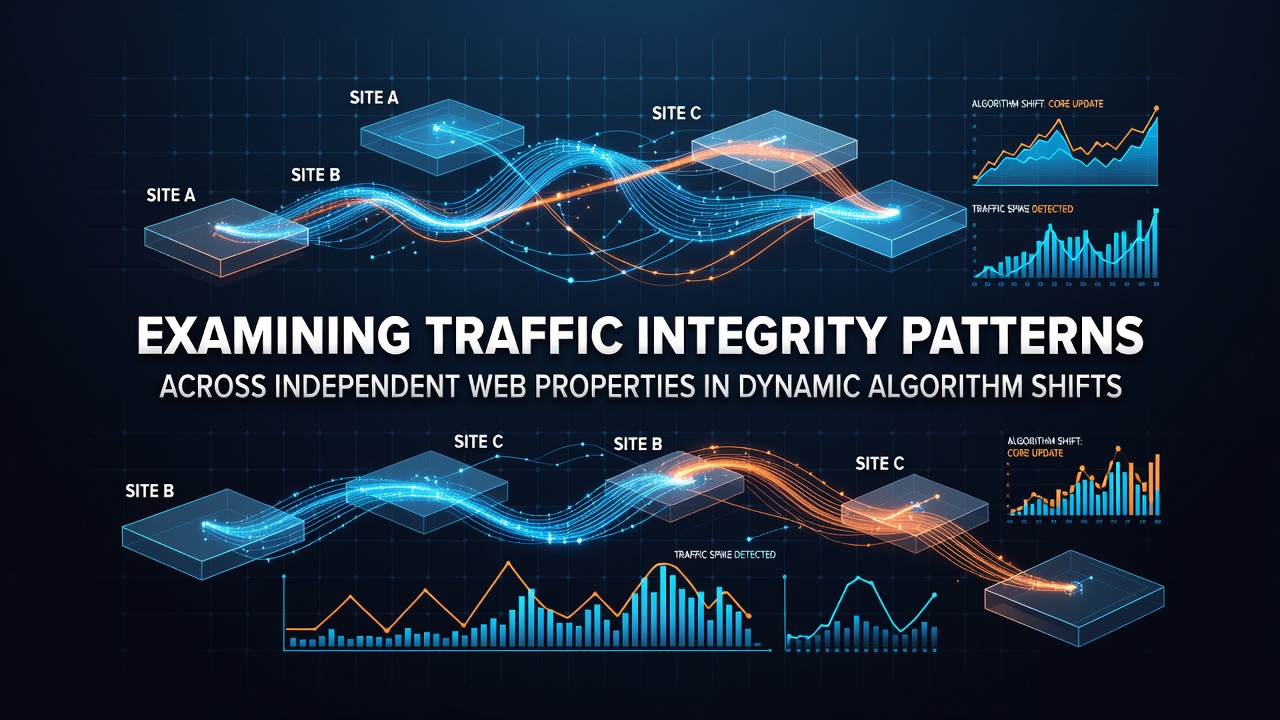
Examining Traffic Integrity Patterns Across Independent Web Properties in Dynamic Algorithm Shifts
Defining Traffic Integrity in Evolving Search Environments
Independent web properties have faced repeated adjustments in how search engines evaluate and rank content since the widespread adoption of machine learning models in ranking systems, and observers note that traffic integrity refers to the consistency and authenticity of visitor sources rather than sheer volume alone. Researchers tracking these patterns across dozens of sites have identified clusters of behavior where referral traffic from established directories remains stable while organic search referrals show sharper drops during major updates.
Key Shifts Observed Through Mid-2026
Data compiled through September 2026 indicates that algorithm refreshes occurring in the first three quarters of the year produced measurable changes in bounce rates and session durations on independent sites, with those maintaining diversified inbound link profiles experiencing fewer disruptions than sites reliant on single-channel acquisition. Analysts at institutions such as the OECD have documented similar outcomes across multiple jurisdictions, showing that properties with mixed geographic audiences retained higher integrity scores even when core ranking signals were recalibrated.
Traffic sources including direct navigation, email campaigns, and curated aggregator feeds demonstrated lower variance compared with social media referrals during the same period, and figures from academic reviews at European universities reveal that sites emphasizing original data reporting sustained steadier engagement metrics through these transitions.
Measurement Approaches Used by Analysts
Teams monitoring independent properties apply layered tracking that combines server log analysis with third-party panel data to separate genuine user behavior from automated signals, and this method allows clearer separation of integrity issues from simple ranking volatility. Studies covering North American and Asia-Pacific markets have applied these techniques to hundreds of domains, revealing that properties publishing at consistent intervals retained more predictable referral patterns even after core updates.
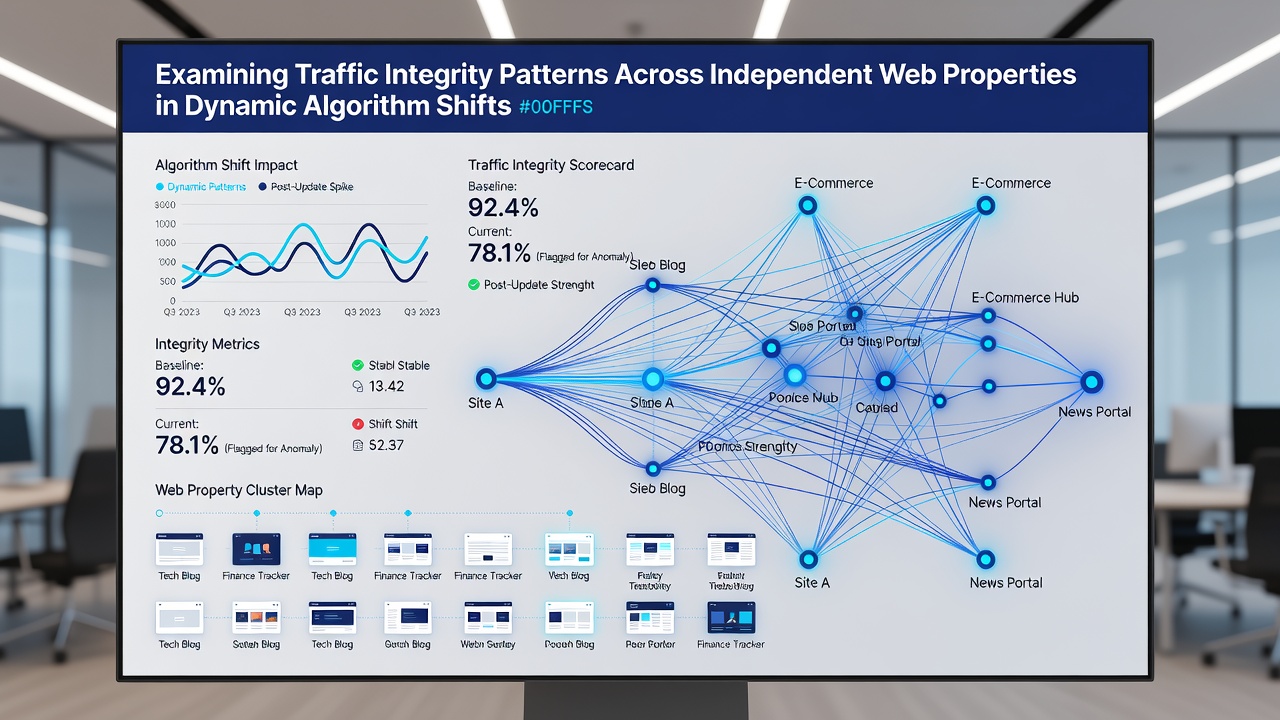
One approach involves segmenting traffic by device type and geographic origin, then cross-referencing with historical crawl data to spot anomalies that coincide with announced ranking changes. The Competition Bureau Canada has published related observations on digital marketplace transparency that align with these findings, noting parallel effects on smaller operators compared with larger platforms.
Patterns Across Different Property Types
Independent news and resource sites showed distinct responses depending on their primary content focus, wth those incorporating structured data markup experiencing steadier retention of qualified visitors during shifts that emphasized entity recognition. Forum-style properties and community archives displayed different trajectories, often gaining from reduced emphasis on commercial signals while losing ground when freshness factors gained weight.
Long-form resource hubs maintained integrity through diversified acquisition, whereas shorter update-driven sites recorded more pronounced swings tied to specific ranking refreshes. Observers tracking these differences point to internal site architecture as a contributing variable, including navigation depth and internal linking density, both of which influence how algorithms reassess pages after model updates.
Conclusion
Patterns emerging from ongoing analysis of independent web properties during dynamic algorithm shifts continue to highlight the role of diversified traffic sources and structured content practices in preserving integrity metrics. Data collected through late 2026 reinforces that consistent measurement frameworks provide clearer visibility into which adjustments stem from ranking recalibrations versus changes in user behavior itself. Further examination across additional regions and property categories is expected to refine these distinctions as new updates are deployed.