Blake Keller · 15 September 2026
How Niche Digital Platforms Build Resilient Audience Connections Through Layered Content Strategies
Digital platforms focused on specific interests have developed structured approaches that combine multiple content types to maintain steady audience ties over time, and researchers have tracked these methods across various online communities since the early 2010s. Data from industry reports shows that such platforms often layer core informational posts with interactive elements, user contributions, and periodic updates to create ongoing engagement cycles that withstand shifts in algorithms or user habits.
Core Elements of Layered Content Approaches
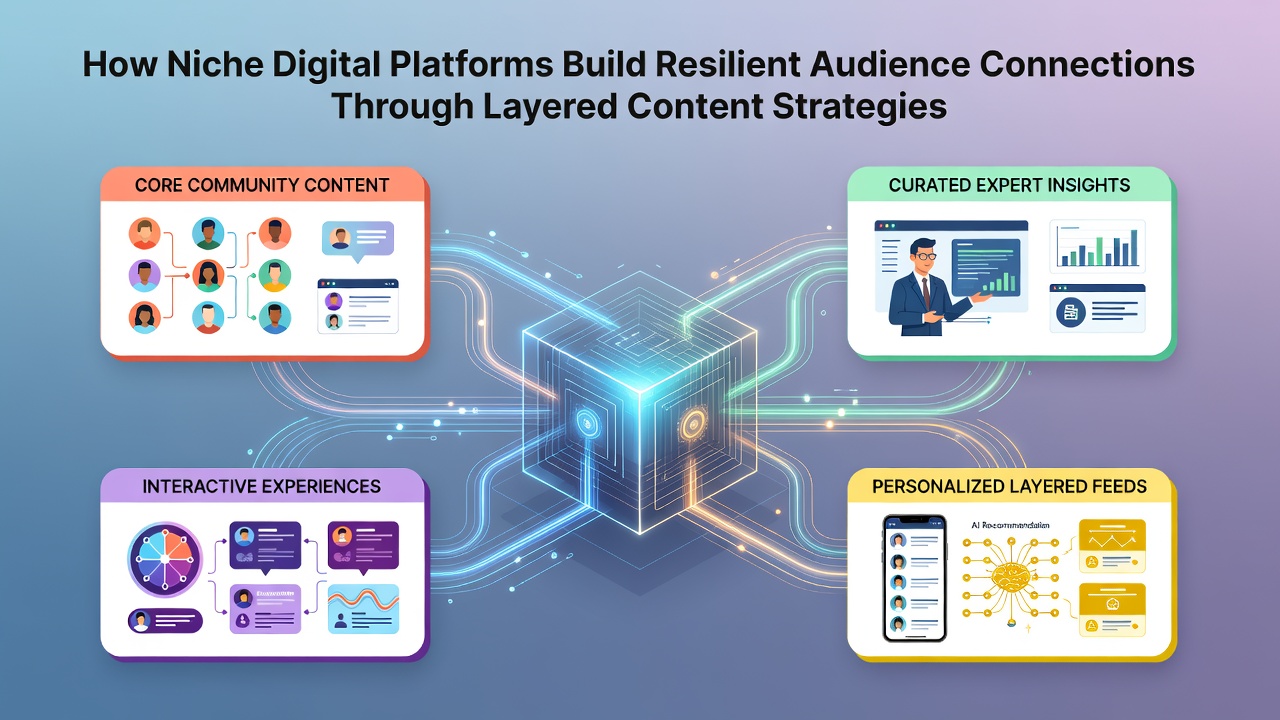
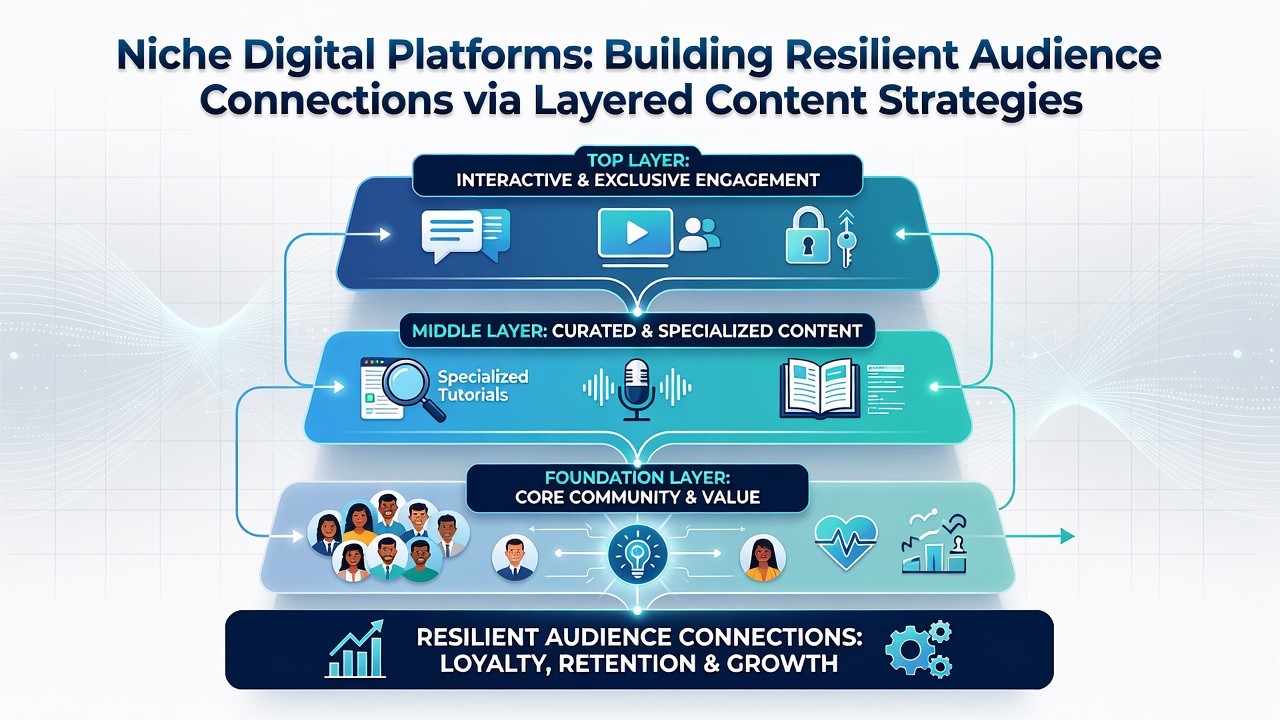
Platforms begin with foundational content that establishes expertise in a narrow topic area, then build additional layers such as discussion threads, multimedia extensions, and community challenges that encourage repeated visits. Observers note that this structure allows sites to distribute attention across formats rather than relying on single post types, which in turn supports retention when one channel experiences temporary dips in visibility. Studies from academic institutions indicate that audiences respond to these combinations because they receive both consistent value and opportunities for personal input, creating feedback loops that strengthen loyalty metrics.
Take one platform centered on sustainable gardening practices that publishes detailed articles alongside photo galleries submitted by members and weekly live question sessions, and data shows participation rates remain higher compared to single-format competitors. The combination works because each layer addresses different user needs at various times, from quick reference material to social validation through shared experiences. Research indicates these methods help platforms collect behavioral signals that refine future content delivery without depending on external recommendation engines.
Adaptation Mechanisms in Practice
Many niche sites adjust their layering techniques based on performance data collected over months or years, incorporating seasonal themes or emerging subtopics while preserving the original focus. Figures from digital analytics firms reveal that platforms employing three or more content layers experience slower declines in active users during platform-wide changes, such as those observed in major social network updates. Experts have observed that successful examples often include archival content repurposed into new formats, like turning forum threads into podcast episodes or email summaries, which extends reach without requiring constant new creation.
In September 2026, tracking data from several specialized communities demonstrated continued growth in cross-format interaction rates, particularly where platforms integrated short-form updates with deeper resources. This timing coincided with broader adoption of privacy-focused tools that limited third-party tracking, prompting sites to rely more on direct audience signals gathered through layered interactions. Those who manage such platforms report that maintaining separate content streams allows for targeted adjustments when one area underperforms, preserving overall stability.
Evidence from Audience Metrics
According to a Pew Research Center analysis of online community behaviors, users of topic-specific sites show higher repeat engagement when multiple content formats appear in regular patterns. This pattern holds across regions, with similar findings noted in reports from European digital observatories that examined hobbyist and professional networks. Platforms that track metrics such as session duration and return frequency often find that layered strategies correlate with steadier numbers, even as broader market trends fluctuate.
One study conducted by researchers at a Canadian university examined forum-based sites over a five-year period and found that those adding user-generated layers on top of editorial content retained 40 percent more monthly visitors than those using static pages alone. The results pointed to increased sense of ownership among participants, which translated into organic promotion through personal networks. Data indicates these effects compound when platforms provide clear guidelines for contributions, ensuring quality remains consistent across layers.
Implementation Patterns Across Sectors
Platforms in areas such as independent music, technical troubleshooting, and regional history have documented success with similar layering, where initial posts lead into collaborative databases or event calendars that keep users returning. Industry organizations tracking digital media have noted that the approach reduces vulnerability to single-point disruptions, such as changes in search visibility or shifts in advertising rules. Observers point out that the key lies in sequencing the layers so each new element references earlier ones, creating a connected experience rather than isolated sections.
Those managing these sites often start small by testing one additional format before expanding, which allows measurement of impact on core audience numbers. Evidence from multiple case reviews shows that platforms maintaining this gradual expansion achieve more durable connections, as users become accustomed to the full range of offerings over time.
Conclusion
Layered content strategies on niche digital platforms operate through deliberate combinations of formats that support ongoing audience participation and data collection. Research continues to document how these methods contribute to resilience against external changes, with metrics from various sectors confirming steady engagement when multiple layers function together. The patterns observed through 2026 suggest continued refinement of these approaches as platforms adapt to new technological conditions while preserving focus on specific interest areas.